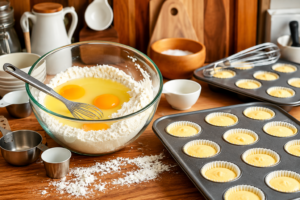
A good Yorkshire pudding recipe sounds easy because the ingredient list is short. Flour. Eggs. Milk. Oil. Done, right?
Not exactly.
I’ve seen people mess this up by using cold batter, rushing the process, or opening the oven halfway through because curiosity won. Yorkshire pudding rewards patience more than fancy cooking skills.
Here’s the thing.
Once you understand what actually matters, this classic side dish becomes surprisingly reliable.
If you enjoy classic comfort food, you may also enjoy our easy dinner ideas, healthy family meals, and meal prep recipes for simple home cooking inspiration.
What Is Yorkshire Pudding?
Despite the name, Yorkshire pudding isn’t dessert.
It’s a baked batter dish that became famous in England and eventually turned into one of the most recognizable comfort foods in British cooking.
Traditionally, cooks served it alongside roast beef and gravy.
The goal?
Simple.
Create a light, puffed side that catches all the flavor from the meal.
A great Yorkshire pudding should have:
- Crisp outer edges
- Soft center
- Deep golden color
- Dramatic rise
That rise matters.
People remember great Yorkshire pudding.
They also remember bad Yorkshire pudding.
The Good, The Bad, & The Ugly
The Good
Very affordable.
Most kitchens already contain everything needed.
It also looks far more impressive than the effort required.
The Bad
Temperature matters.
Small mistakes show up immediately.
The Ugly
Cold oil.
Honestly, this destroys more batches than people realize.
People expect magic from room-temperature oil.
That almost never works.
Pro Tip
In my experience, the oil matters more than the batter. Heat the tray first until the oil starts looking glossy.
The Technical Breakdown (Without the Complicated Stuff)
People overcomplicate Yorkshire pudding.
The science is actually simple.
When batter hits hot oil:
- Steam forms quickly
- Steam expands
- Batter rises
- Eggs lock structure in place
That’s the whole process.
Ingredient Roles
Eggs
Create structure.
Milk
Provides moisture.
Flour
Builds the framework.
Oil
Creates crisp edges.
Think of it this way.
Yorkshire pudding behaves more like controlled steam than traditional baking.
That changes everything.
The Classic Yorkshire Pudding Recipe
Ingredients
- 1 cup all-purpose flour
- 1 cup whole milk
- 3 large eggs
- ½ teaspoon salt
- Vegetable oil
Instructions
Step 1: Prepare Batter
Whisk flour and salt.
Add eggs.
Slowly pour in milk.
Mix until smooth.
Rest 30 minutes.
Step 2: Heat Oil
Place small amounts of oil into muffin tray cups.
Bake tray at 425°F (220°C) for 10–15 minutes.
Oil should become very hot.
Step 3: Add Batter
Remove tray carefully.
Pour batter halfway.
Return immediately.
Step 4: Bake
Bake 20–25 minutes.
Do not open the oven.
Wait until golden.
Serve immediately.

Common Mistakes That Ruin Yorkshire Pudding
Opening the Oven
This one gets people constantly.
Heat escapes.
Rise disappears.
Using Cold Batter
Cold batter slows expansion.
Room-temperature batter performs better.
Adding Too Much Oil
More oil doesn’t mean better results.
Small amounts work well.
Overmixing
Smooth batter matters.
Aggressive mixing can affect texture.
Yorkshire Pudding Cooking Methods Compared
| Method | Rise | Texture | Best For |
|---|---|---|---|
| Traditional Oven | Excellent | Crisp | Classic Results |
| Convection Oven | Excellent | Even Browning | Family Meals |
| Air Fryer | Moderate | Slightly Softer | Small Portions |
| Frozen Version | Lower | Less Fresh | Convenience |
Fresh usually wins.
Not because frozen options are bad.
Fresh simply feels different.
Expert Insight
I believe patience matters more than technique. Many failed batches happen because people check too early.
Traditional vs Modern Yorkshire Pudding
People debate this constantly.
Traditional versions often use beef drippings.
Modern recipes usually rely on vegetable oil.
Traditional Style
Pros
- Rich flavor
- Authentic experience
Cons
- Less flexible
Modern Style
Pros
- Easier ingredients
- Cleaner flavor
Cons
- Slightly different finish
Honestly?
Both deserve a chance.
Fun Variations Worth Trying
Classic recipes remain popular.
Still, small changes can surprise you.
Cheese Yorkshire Pudding
Add shredded cheddar.
Unexpectedly good.
Mini Yorkshire Puddings
Perfect for gatherings.
Herb Version
Add thyme or rosemary.
Breakfast Style
Fill with scrambled eggs.
I didn’t expect to enjoy this.
I was wrong.
Best Foods to Serve With Yorkshire Pudding
This dish shines beside comforting meals.
Popular pairings:
- Roast beef
- Gravy
- Roasted vegetables
- Mashed potatoes
- Roast chicken
Some people even use sweet toppings.
That creates arguments.
Try it anyway.

Who Is This Recipe For?
Beginner Cooks
Simple ingredients.
Clear process.
Families
Affordable and filling.
Students
Low-cost cooking project.
Holiday Hosts
Looks impressive.
Comfort Food Fans
Classic recipes never disappear.
Yorkshire pudding stays popular because it feels familiar without being boring.
Pro Tip
Batter consistency should look thinner than pancake batter. Thick batter usually produces heavier puddings.
Frequently Asked Questions
Why Didn’t Mine Rise?
Usually:
- Oil wasn’t hot
- Oven opened
- Batter ratios changed
Can I Freeze Yorkshire Pudding?
Yes.
Cool completely first.
Can I Reheat It?
Absolutely.
Oven reheating works best.
Is Yorkshire Pudding Actually Pudding?
Not in the dessert sense.
The name confuses everyone.
Helpful Resources
For extra recipe guidance and cooking techniques:
Food Network
https://www.foodnetwork.com
BBC Good Food
https://www.bbcgoodfood.com
These provide additional cooking ideas and traditional preparation methods.
Final Verdict: Is Yorkshire Pudding Worth Learning?
Absolutely.
A great yorkshire pudding recipe proves something important.
Simple food isn’t always easy.
Tiny details create huge differences.
Heat matters.
Timing matters.
And patience matters even more.
I believe that’s why people keep making Yorkshire pudding generation after generation. Not because it’s complicated.
Because when you finally get those tall golden edges and soft centers, the result feels earned.
So next time you make dinner, ask yourself:
Will you settle for another ordinary side dish—or finally make the Yorkshire puddings everyone talks about first?