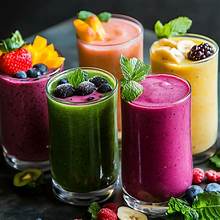
You open your freezer, see a bag of frozen berries sitting there, and think, “Can I actually make something good with this?” The answer is yes. Learning how to make a smoothie with frozen fruit can turn a few basic ingredients into a thick, refreshing drink without spending much time in the kitchen.
Here’s the thing. Many people make smoothies harder than they need to be. They buy expensive powders, follow complicated recipes, and forget the simple stuff that makes a smoothie taste amazing.
Frozen fruit already does a lot of the work.
In my experience, the best smoothies usually come from understanding balance. You need the right mix of fruit, liquid, and texture. Once you understand that, you can create endless combinations.
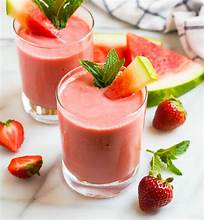
How to Make a Smoothie With Frozen Fruit: The Basic Method
The process is simple.
You need:
- Frozen fruit (berries, mango, pineapple, peaches, or mixed fruit)
- Liquid base (milk, almond milk, coconut water, or juice)
- Creamy ingredient (yogurt, banana, nut butter, or avocado)
- Optional extras (protein powder, seeds, oats, or honey)
Start with about 1 to 2 cups of frozen fruit. Add around ½ to 1 cup of liquid. Then blend.
That’s it.
However, small changes create big differences.
For example, adding too much liquid makes your smoothie thin. Adding too much frozen fruit can make your blender struggle. Finding the middle ground creates that café-style texture many people want.
Think of it this way: a smoothie is not just a drink. It is a texture experience.
The Good, The Bad, & The Ugly of Frozen Fruit Smoothies
Every food trend has positives and negatives. Smoothies are no different.
The Good
Frozen fruit smoothies have plenty of advantages.
Convenience
Frozen fruit stays ready whenever you need it. No washing, cutting, or worrying about fruit going bad quickly.
Better Texture
Fresh fruit can create a watery smoothie because it contains more liquid. Frozen fruit usually gives a thicker result.
Year-Round Flavor
You can enjoy strawberry smoothies in winter or tropical flavors when fresh options are limited.
The Bad
There are a few things to watch.
Some frozen fruit blends contain added sugar. Always check the label.
Also, not every blender handles frozen ingredients well. A weaker blender may leave chunks behind.
The Ugly
I’ve seen people mess this up by adding random ingredients without thinking about flavor balance.
A smoothie with five sweet ingredients can become overwhelming. More is not always better.
A simple strawberry banana smoothie can beat a complicated recipe.
Expert Insight
In my experience testing food ideas and digital content around recipes, people connect more with simple solutions. A recipe that feels achievable gets made more often than one that looks impressive but feels difficult.
Step-by-Step: How to Make a Smoothie With Frozen Fruit
Follow this easy method:
Step 1: Choose Your Frozen Fruit
Popular choices:
- Frozen strawberries
- Blueberries
- Mango chunks
- Pineapple
- Mixed berries
- Peaches
Each fruit creates a different flavor profile.
Berries create a bright, slightly sweet taste. Mango creates a smoother tropical flavor.
Step 2: Add Your Liquid
Your liquid controls thickness.
Try:
- Dairy milk for a creamy smoothie
- Almond milk for a lighter option
- Coconut water for a refreshing taste
- Orange juice for fruit-based blends
Start small.
You can always add more.
Step 3: Add Something Creamy
This is where many smoothies become better.
Good options:
- Greek yogurt
- Banana
- Peanut butter
- Almond butter
These ingredients help create a smoother mouthfeel.
Step 4: Blend Properly
Put liquid in first.
Then add softer ingredients.
Frozen fruit goes last.
This helps your blender move everything around more easily.
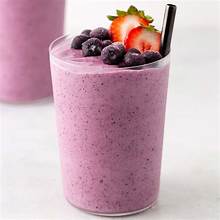
Technical Breakdown: Why Frozen Fruit Works So Well
The science is simple.
Frozen fruit contains ice crystals. When blended, those crystals break down and create a cold, thick texture.
A smoothie depends on three main parts:
| Part | Purpose | Example |
|---|---|---|
| Frozen Fruit | Flavor and thickness | Berries, mango |
| Liquid | Helps blending | Milk, juice |
| Creamy Ingredient | Smooth texture | Yogurt, banana |
The balance matters.
Too much liquid?
You get juice.
Too much frozen fruit?
You get a frozen dessert that your blender struggles with.
A good smoothie sits somewhere between the two.
For more information about fruit nutrition and preparation, resources like Harvard School of Public Health’s nutrition guidance can help explain how different foods fit into a balanced diet: https://nutritionsource.hsph.harvard.edu
Frozen Fruit vs Fresh Fruit Smoothies
Many people wonder which option is better.
Here is a quick comparison:
| Feature | Frozen Fruit Smoothie | Fresh Fruit Smoothie |
|---|---|---|
| Texture | Usually thicker | Often thinner |
| Convenience | Very easy | Requires preparation |
| Storage | Lasts longer | Spoils faster |
| Flavor | Strong and cold | Fresh taste |
| Cost | Often budget-friendly | Depends on season |
On the other hand, fresh fruit can still be a great choice.
It depends on what you want.
If you want a quick breakfast, frozen fruit usually wins.
Pro-Tip
Keep a few frozen fruit bags ready. In busy mornings, this removes the biggest barrier: preparation time. A good smoothie routine starts with making the easy choice available.
Common Mistakes When Making Frozen Fruit Smoothies
Even simple recipes can go wrong.
Here are common problems:
Smoothie Too Thick
Solution: Add liquid slowly.
Do not pour a large amount immediately.
Smoothie Too Watery
Solution: Add more frozen fruit or yogurt.
Bland Flavor
Solution: Add a natural flavor boost:
- Cinnamon
- Vanilla extract
- A small amount of honey
- Citrus juice
Blender Problems
Solution: Let frozen fruit sit for a few minutes before blending.
A little patience helps.
Who Is This For?
Learning how to make a smoothie with frozen fruit is useful for many people.
Great For:
- Busy students
- People needing quick meals
- Families making easy snacks
- Anyone who enjoys fruit drinks
- Beginners learning simple recipes
It also works well for people who like experimenting.
You can change one ingredient and create a completely different smoothie.
For example:
Berry + yogurt = classic smoothie
Mango + coconut milk = tropical drink
Banana + peanut butter = richer flavor
The options are almost endless.
Building a Better Smoothie Habit
A smoothie does not have to be complicated.
Many people think healthy eating requires major changes. Sometimes it starts with one simple habit.
Preparing frozen fruit ahead of time helps.
Keeping ingredients visible helps.
Having a favorite recipe helps.
I believe the best recipes are the ones people actually repeat.
Not the ones that only look good online.
Expert Insight
A recipe becomes valuable when it fits real life. The perfect smoothie is not the one with the longest ingredient list. It is the one you enjoy making again.
Final Verdict: Is Making Frozen Fruit Smoothies Worth It?
Absolutely.
Learning how to make a smoothie with frozen fruit gives you a flexible recipe you can adjust anytime. It saves time, reduces waste, and creates a satisfying drink with basic ingredients.
A frozen fruit smoothie is not about following strict rules. It is about finding a combination that works for you.
So the real question is:
When a simple blender and a few frozen fruits can create something this good, why make your mornings more complicated?