Have you ever stood in the grocery store staring at shelves full of pasta and wondered whether macaroni is actually different? You’re not alone. The debate around pasta vs macaroni confuses many home cooks because the two names are often used interchangeably. However, they are not exactly the same.
Here’s the thing. I’ve seen people assume macaroni is an entirely different food from pasta. That’s one of the biggest misconceptions. Once you understand how they’re related, choosing the right one for your recipe becomes much easier.
Whether you’re making creamy mac and cheese, a fresh pasta salad, or a hearty Italian dinner, knowing the difference can improve both texture and flavor.
Let’s break it down.
What Is Pasta?
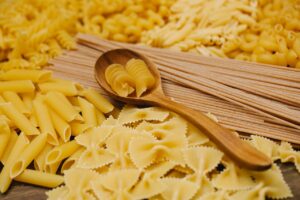
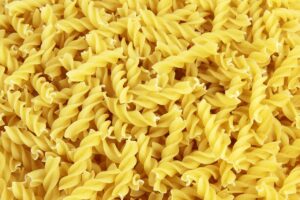
Pasta is a general name for foods made from wheat flour and water. Some recipes also include eggs. It comes in hundreds of shapes and sizes, making it one of the most versatile foods in the world.
Popular types of pasta include:
- Spaghetti
- Penne
- Fusilli
- Farfalle
- Linguine
- Ravioli
- Fettuccine
- Elbow macaroni
Each shape is designed to work well with specific sauces and recipes.
Some hold creamy sauces.
Others pair better with tomato-based dishes.
That’s why choosing the right pasta matters.
Is Macaroni Pasta?
The simple answer is yes.
Macaroni is pasta.
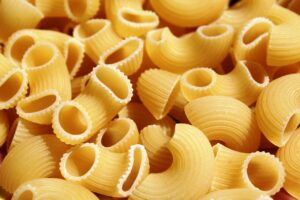
More specifically, macaroni is one particular shape of pasta. It is usually short, curved, and hollow.
Many people think macaroni refers only to the boxed version used in macaroni and cheese.
It doesn’t.
Traditional elbow macaroni has been part of Italian cooking for centuries.
Think of it this way.
All macaroni is pasta.
Not all pasta is macaroni.
That small difference clears up much of the confusion.
Pro Tip
In my experience, elbow macaroni works best with creamy cheese sauces because the hollow center holds more sauce in every bite.
Pasta vs Macaroni: Key Differences
When comparing pasta vs macaroni, the biggest difference is category.
Pasta includes hundreds of shapes.
Macaroni is simply one member of that larger family.
Here are the main differences:
| Feature | Pasta | Macaroni |
|---|---|---|
| Meaning | General category | Specific pasta shape |
| Shapes | Hundreds | Usually elbow-shaped |
| Common Uses | Many dishes | Mac and cheese, salads, casseroles |
| Texture | Depends on shape | Firm with hollow center |
| Sauce Pairing | Varies | Thick and creamy sauces |
Neither is better.
The best choice depends on your recipe.
Pasta Nutrition vs Macaroni Nutrition
Both foods are surprisingly similar because macaroni is simply one type of pasta.
A one-cup serving generally provides:
- Carbohydrates
- Plant-based protein
- Small amounts of fiber
- Iron
- B vitamins
Whole wheat varieties contain more fiber than traditional refined pasta.
Fresh pasta may have slightly different nutrition because many recipes include eggs.
If you’re watching calories, portion size usually matters more than the shape itself.
The Good, The Bad, & The Ugly
Every food has strengths and weaknesses.
The Good
- Affordable
- Easy to cook
- Extremely versatile
- Available almost everywhere
- Works with countless recipes
The Bad
Different pasta shapes require different cooking times.
Using the wrong shape can affect the final dish.
The Ugly
I’ve seen people overcook macaroni until it falls apart inside the pot.
Soft pasta cannot hold sauce properly.
Cooking it just until al dente creates a much better texture.
Technical Breakdown: Why Pasta Shapes Matter
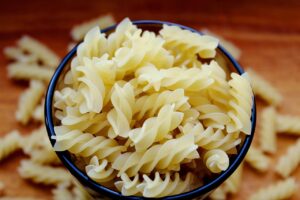
Different pasta shapes are designed for different purposes.
Long pasta like spaghetti works well with smooth sauces.
Short pasta such as macaroni traps cheese and creamy sauces inside its curved shape.
Ridged pasta holds chunky sauces more effectively than smooth pasta.
Understanding these differences helps you match the pasta to the meal instead of choosing randomly.
Expert Insight
I believe the shape of pasta matters almost as much as the sauce itself. Choosing the right combination creates a better eating experience without changing the ingredients.
Best Uses for Macaroni and Pasta
Choosing the right shape makes every meal taste better. While all macaroni is pasta, certain dishes naturally work better with specific shapes.
Macaroni Is Perfect For:
- Creamy macaroni and cheese
- Cold pasta salad
- Baked casseroles
- Vegetable pasta dishes
- Family dinners
Other Pasta Shapes Are Better For:
- Spaghetti with meat sauce
- Fettuccine Alfredo
- Lasagna
- Ravioli
- Pesto pasta
Here’s the thing. I’ve seen people use spaghetti for mac and cheese. It still tastes good, but the texture isn’t the same. Elbow macaroni captures the cheese sauce inside every piece, making each bite richer.
Common Cooking Mistakes
Even simple pasta recipes can go wrong.
Overcooking
This is the biggest mistake.
Soft pasta becomes mushy and loses its texture.
Using Too Little Water
Crowded pasta sticks together quickly.
Always cook pasta in a large pot with plenty of water.
Skipping the Salt
Salted water gives pasta better flavor before the sauce is even added.
Adding Oil to the Water
Many people believe oil prevents sticking.
In reality, it can stop sauces from coating the pasta properly.
Not Saving Pasta Water
A little starchy cooking water helps sauces stick beautifully.
Small habits often produce the biggest improvements.
Pro Tip
I always remove pasta about one minute before the package suggests. It finishes cooking in the sauce and develops a much better texture.
Homemade Pasta vs Store-Bought Pasta
Some people enjoy making fresh pasta.
Others prefer convenience.
Here’s a simple comparison.
| Feature | Homemade Pasta | Store-Bought Pasta |
|---|---|---|
| Preparation Time | Longer | Ready to cook |
| Cost | Slightly higher | Budget-friendly |
| Texture | Soft and delicate | Firm and consistent |
| Shelf Life | Short | Long |
| Best For | Special meals | Everyday cooking |
Both options have advantages.
If you’re busy during the week, dried pasta is a practical choice.
Fresh pasta shines during holidays or family gatherings.
Who Is This For?
Understanding pasta vs macaroni helps almost everyone.
This guide is especially useful for:
- Beginner cooks
- College students
- Families
- Meal preppers
- Home chefs
- Pasta lovers
Whether you’re preparing dinner for one person or feeding a large family, choosing the right pasta shape makes recipes easier and more enjoyable.
Expert Insight
In my experience, expensive ingredients aren’t always necessary. Choosing the correct pasta shape often improves a recipe more than adding extra cheese or spices.
Frequently Asked Questions
Is macaroni healthier than pasta?
No. Since macaroni is a type of pasta, the nutrition is very similar. Whole wheat versions usually contain more fiber than refined pasta.
Why is macaroni used for mac and cheese?
Its curved, hollow shape traps creamy cheese sauce, giving every bite more flavor.
Can I replace macaroni with another pasta?
Yes. Penne, shells, rotini, and cavatappi all work well in many recipes.
What pasta shape is best for beginners?
Macaroni, penne, and spaghetti are easy to cook and widely available.
For trusted nutrition and cooking information, visit:
- USDA FoodData Central: https://fdc.nal.usda.gov/
- Barilla Pasta Guide: https://www.barilla.com/
Final Verdict
The discussion around pasta vs macaroni becomes much simpler once you know one important fact.
Macaroni is pasta.
It just happens to be one specific shape among hundreds of varieties.
That means neither is better than the other. The best choice depends on what you’re cooking. Creamy cheese sauces love elbow macaroni, while spaghetti pairs naturally with smooth tomato sauces and fettuccine works wonderfully with rich Alfredo.
Great cooking isn’t about following complicated rules.
It’s about matching the right ingredients together.
The next time you’re shopping for dinner, don’t simply grab the first box you see.
Take a closer look.
The right pasta shape can completely change the final meal.
So before your next recipe, ask yourself: are you choosing pasta out of habit, or are you choosing the shape that truly fits the dish?