
You grab a handful of nuts because they’re supposed to be healthy. A few hours later, your stomach feels bloated, uncomfortable, and completely unhappy.
Sound familiar?
If you’re following a digestive-friendly eating plan, finding the right low FODMAP nuts can feel surprisingly confusing. One nut may work perfectly. Another can leave you dealing with stomach issues you were trying to avoid in the first place.
I’ve seen people mess this up by assuming all nuts are created equal. They aren’t. Some contain higher amounts of fermentable carbohydrates that may trigger symptoms in sensitive individuals.
Here’s the thing. You don’t need to give up nuts entirely.
You simply need to know which ones deserve a place in your pantry.
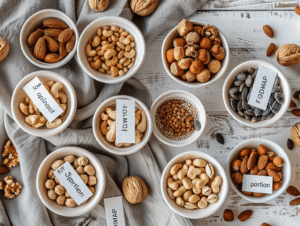
If you’re interested in digestive-friendly eating, you may also enjoy our healthy breakfast ideas, easy meal prep recipes, and high-protein snack ideas that focus on practical nutrition without unnecessary complications.
Why Low FODMAP Nuts Matter
Let’s start with the basics.
FODMAP stands for a group of carbohydrates that some people struggle to digest properly.
For many individuals dealing with Irritable Bowel Syndrome (IBS), reducing high-FODMAP foods can help manage symptoms such as:
- Bloating
- Gas
- Stomach discomfort
- Digestive irregularities
Nuts often create confusion because some varieties fit well into a low FODMAP diet while others contain higher levels of problematic carbohydrates.
Think of it this way.
Nuts are not automatically good or bad.
Portion size matters.
Nut type matters.
And understanding both can make a huge difference.
The Good, The Bad, & The Ugly
The Good
Many low FODMAP nuts provide valuable nutrients.
They contain:
- Healthy fats
- Plant-based protein
- Fiber
- Important minerals
They’re also portable.
That’s a big advantage when you’re trying to avoid digestive triggers while away from home.
The Bad
Portion control becomes important.
Some nuts remain low FODMAP only in smaller servings.
Eat too much, and you may accidentally increase FODMAP intake.
The Ugly
I’ve seen people buy expensive “digestive-friendly” snack products when simple nuts would have worked perfectly.
Marketing can make things more complicated than necessary.
Sometimes the best option is sitting in the grocery aisle already.
Pro Tip
In my experience, portion size causes more problems than the nuts themselves. Many people eat several servings without realizing it.
What Are the Best Low FODMAP Nuts?
Not all nuts affect digestion the same way.
Here are some of the most commonly recommended options.
Almonds
Almonds can fit into a low FODMAP diet.
However, serving size matters.
Smaller portions generally work best.
Benefits include:
- Protein
- Vitamin E
- Healthy fats
Walnuts
Walnuts remain one of my favorite choices.
They’re versatile and nutrient-dense.
Plus, they work well in salads, oatmeal, and snacks.
Pecans
Pecans offer rich flavor without requiring large amounts.
They’re often well tolerated in moderate servings.
Macadamia Nuts
These are naturally lower in carbohydrates compared to many other nuts.
They’re rich and satisfying.
A little goes a long way.
Peanuts
Technically peanuts are legumes.
Still, many people searching for low FODMAP nuts include them.
Fortunately, they’re generally considered a low FODMAP option.
Low FODMAP Nuts Comparison Table
| Nut Type | Low FODMAP Serving | Protein | Best Use |
|---|---|---|---|
| Almonds | Small portions | Moderate | Snacks |
| Walnuts | Moderate portions | Moderate | Salads |
| Pecans | Moderate portions | Lower | Baking |
| Macadamia Nuts | Moderate portions | Lower | Snacks |
| Peanuts | Moderate portions | Higher | Peanut butter |
The goal isn’t perfection.
It’s finding options that work for your body.
Technical Breakdown: Why Some Nuts Cause Problems
Let’s simplify the science.
Certain nuts contain carbohydrates that ferment inside the digestive tract.
For sensitive individuals, that fermentation may lead to symptoms.
That’s why some nuts work better than others.
Portion Size Changes Everything
This is where people get confused.
A food can be low FODMAP in one serving size and higher FODMAP in another.
That doesn’t mean the food suddenly becomes unhealthy.
It simply means quantity matters.
Individual Responses Vary
No two digestive systems are identical.
One person may tolerate almonds easily.
Another may notice symptoms after eating the same amount.
That’s normal.
Keeping a food journal can help identify patterns.
Expert Insight
Many registered dietitians recommend testing foods gradually rather than eliminating everything at once. Slow experimentation often provides clearer answers.
Nuts That May Cause More Problems
While tolerance varies, some nuts are generally approached more cautiously.
Cashews
Cashews frequently appear on lists of higher-FODMAP foods.
They’re nutritious.
Still, they may trigger symptoms in sensitive individuals.
Pistachios
Pistachios can also contain higher amounts of certain fermentable carbohydrates.
Some people tolerate small portions.
Others do not.
Mixed Nut Products
This is where things get tricky.
Many mixed nut packages contain both low and high FODMAP options.
Always check ingredients.
Easy Ways to Include Low FODMAP Nuts
The best nutrition plans are realistic.
Fortunately, low FODMAP nuts fit easily into daily meals.
Breakfast
Add walnuts to oatmeal.
Sprinkle pecans on yogurt.
Mix almonds into overnight oats.
Lunch
Use chopped nuts in salads.
They add texture and flavor without much effort.
Snacks
This might be the easiest option.
A measured portion of nuts travels well and requires zero preparation.
Desserts
Pecans and walnuts work beautifully in lower-FODMAP baking recipes.
Who Is This Information For?
Honestly?
More people than you might think.
Individuals Following a Low FODMAP Diet
This group benefits most directly.
Knowing safe options removes a lot of guesswork.
People with IBS
Many IBS sufferers search constantly for snack ideas.
Low FODMAP nuts can help expand food choices.
Busy Professionals
Portable snacks matter when schedules get hectic.
Students
Affordable nutrition matters.
Nuts provide protein and healthy fats without requiring cooking.
Anyone Interested in Digestive Health
You don’t need an IBS diagnosis to learn about digestive-friendly foods.
Better understanding often leads to better choices.
Low FODMAP Nuts vs Popular Snack Foods
| Snack | Protein | Convenience | Digestive-Friendly Potential |
|---|---|---|---|
| Low FODMAP Nuts | Moderate | Excellent | High |
| Potato Chips | Low | Excellent | Varies |
| Candy Bars | Low | Excellent | Lower |
| Crackers | Low | Good | Varies |
| Protein Bars | Moderate | Good | Ingredient-dependent |
That’s one reason nuts remain popular.
They provide nutrition without requiring much effort.
Pro Tip
Store nuts in airtight containers. Fresh nuts taste better and maintain quality longer than nuts exposed to air and moisture.
Common Mistakes People Make
Ignoring Serving Sizes
This happens constantly.
People hear a food is low FODMAP and assume unlimited portions are fine.
Not always.
Buying Flavored Nuts
Seasonings sometimes introduce ingredients that complicate digestion.
Simple varieties often work best.
Assuming Every IBS Case Is Identical
Personal tolerance matters.
What works for one person may not work for another.
Eliminating Too Many Foods
I’ve seen people become unnecessarily restrictive.
That’s rarely sustainable.
The goal is finding balance.
Not creating fear around food.
Helpful Resources for Low FODMAP Diets
For evidence-based information, these resources are worth exploring:
Monash University FODMAP Program
https://www.monashfodmap.com
International Foundation for Gastrointestinal Disorders (IFFGD)
https://www.iffgd.org
Both provide valuable guidance backed by research rather than social media trends.
Final Verdict: Which Low FODMAP Nuts Are Worth Keeping Around?
If you’re looking for reliable low FODMAP nuts, walnuts, pecans, macadamia nuts, peanuts, and carefully portioned almonds deserve serious consideration.
They’re nutritious.
They’re convenient.
And for many people, they’re easier on digestion than higher-FODMAP alternatives.
The biggest lesson?
Don’t assume all nuts affect your body the same way.
Pay attention to serving sizes.
Experiment thoughtfully.
And focus on what actually works for you instead of blindly following trends.
I believe that’s where real success happens.
Not in finding the “perfect” food.
But in finding foods that fit your life, your goals, and your digestive comfort.
So here’s a question worth considering:
If your body is constantly giving you feedback about what works and what doesn’t, are you actually listening to it—or are you still letting food trends make the decisions for you?

hy i am urooj
hy how are you