what is the actual idea behind green foods logic?
The answer is not just about eating something green.
It is about understanding why green foods matter, how they work inside your body, and how small food choices can change your daily habits. Many people make healthy eating complicated. They search for perfect diets and ignore simple things sitting right in front of them.
Here’s the thing.
Green foods have been part of human diets for centuries. Leafy vegetables, herbs, fruits, and plant-based foods have always played a role in traditional meals. The modern mistake is that people often treat them like a trend instead of a normal part of eating.
In my experience, the best nutrition habits are the ones people can actually maintain.
What Is Green Foods Logic?
The idea behind green foods logic is simple: green-colored foods often contain natural compounds that support overall wellness.
The green color usually comes from chlorophyll, a plant pigment that helps plants absorb sunlight. Many green foods also contain vitamins, minerals, fiber, and plant nutrients.
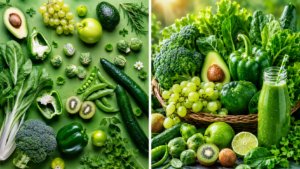
Common green foods include:
- Spinach
- Broccoli
- Kale
- Green beans
- Cucumbers
- Avocado
- Peas
- Herbs like parsley and cilantro
Think of it this way.
A green food is not automatically healthy just because of its color. A sugary green drink and a bowl of fresh vegetables are not the same thing.
The real logic comes from choosing whole foods and understanding what they provide.
Why Green Foods Matter in Daily Life
People often look for one magic food.
It does not work that way.
A balanced eating pattern matters more than one ingredient.
Green foods can support daily meals by adding:
Fiber
Fiber helps with digestion and helps meals feel more satisfying.
Plant Nutrients
Many green foods contain natural compounds that support normal body functions.
Vitamins and Minerals
Foods like spinach and broccoli provide nutrients that many people need in their diet.
According to information from the Harvard T.H. Chan School of Public Health, vegetables are an important part of healthy eating patterns:
https://nutritionsource.hsph.harvard.edu
Expert Insight
I have seen people make healthy eating harder than necessary. They search for complicated solutions when adding one extra serving of vegetables each day can already create a positive habit.
The Good, The Bad, & The Ugly of Green Foods Logic
Every food idea has another side.
Let’s look honestly.
The Good
Green foods have several benefits.
They are easy to add.
Also, green foods often work well across many cooking styles.
A simple vegetable dish can fit into many cultures and food traditions.
The Bad
The challenge is taste.
Some people dislike certain vegetables because of texture or preparation methods.
For example, plain boiled vegetables may feel boring.
However, cooking methods change everything.
Roasting, seasoning, blending, or adding herbs can create a completely different experience.
The Ugly
I’ve seen people mess this up by believing that eating only green foods creates a perfect diet.
That is not realistic.
Your body needs different types of nutrients. A variety of foods matters.
Green foods are valuable, but they are part of a bigger picture.
Technical Breakdown: How Green Foods Work
Let’s make this easy.
Plants create natural compounds during growth. Many of these compounds are studied for their role in human nutrition.
Green foods commonly provide:
| Component | Found In | Why It Matters |
|---|---|---|
| Fiber | Vegetables, leafy greens | Supports digestion |
| Chlorophyll | Green plants | Gives plants their color |
| Vitamins | Spinach, broccoli | Supports body functions |
| Minerals | Many vegetables | Helps normal nutrition |
The key idea behind green foods logic is consistency.
Eating one salad once does not change everything.
Building regular habits does.
A person who adds vegetables often will usually benefit more than someone who follows a strict plan for a short time and quits.
Green Foods vs Processed Food Choices
Many food decisions come down to comparison.
| Feature | Green Foods | Highly Processed Foods |
|---|---|---|
| Fiber | Usually higher | Often lower |
| Preparation | Can be simple | Often ready-made |
| Nutrient Variety | Depends on choice | Often limited |
| Long-Term Habit | Supports balanced meals | Can be harder to balance |
On the other hand, convenience matters.
People are busy.
That is why preparation is important. Washing vegetables ahead of time or keeping frozen options available can make healthy choices easier.
Pro-Tip
Keep green foods visible. A container of prepared vegetables in the fridge gets eaten more often than something hidden in a drawer. Small changes in your environment affect your choices.
Popular Green Foods and How to Use Them
You do not need complicated recipes.
Try simple ideas:
Spinach
Add it to:
- Smoothies
- Eggs
- Pasta dishes
Broccoli
Use it with:
- Rice meals
- Stir-fries
- Roasted dishes
Avocado
Works well in:
- Toast
- Salads
- Dips
Herbs
Fresh herbs can change the taste of basic meals.
Sometimes the smallest addition creates the biggest improvement.
Who Is Green Foods Logic For?
The concept of green foods logic can help many people.
Beginners
People starting healthier eating habits can begin with simple additions.
Busy People
Quick vegetable options can make meals easier.
Families
Green foods can introduce children to different flavors.
Food Creators
Bloggers and recipe developers can create content around simple plant-based ideas.
However, it may not fit someone looking for a single “quick fix.”
Food habits take time.
Common Mistakes People Make With Green Foods
Many people fail because they focus on rules instead of habits.
Common mistakes include:
Making Meals Too Complicated
Simple works.
A basic vegetable side dish is better than a recipe you never make.
Buying Food Without Plans
Vegetables often get wasted when people buy them without knowing how they will use them.
Ignoring Taste
Healthy food should still be enjoyable.
Seasoning matters.
Cooking style matters.
Personal preference matters.
Expert Insight
The best food habit is the one that fits your real routine. I believe people succeed more when they create systems around food instead of depending only on motivation.
The Future of Green Foods Logic
More people are paying attention to plant-based eating, sustainable food choices, and simple nutrition.
However, the future is not about forcing everyone into one style of eating.
It is about awareness.
People want to know where food comes from.
They want meals that feel good.
They want choices that make sense.
Resources like the USDA MyPlate guide also provide practical information about building balanced meals:
https://www.myplate.gov
Green foods fit into this bigger movement because they represent something simple.
Real food.
Final Verdict: Is Green Foods Logic Worth Following?
Yes.
Green foods logic is not a complicated rule. It is a way of thinking about food choices.
It reminds people that small decisions matter.
Adding vegetables.
Trying new foods.
Creating better meal habits.
Those actions build over time.
The goal is not perfection.
The goal is understanding.
Because when people know why a food choice matters, they are more likely to continue it.
So the real question is:
If a simple change like adding more green foods can improve the way we think about eating, why do so many people keep searching for harder answers?