You stand in the kitchen trying to eat healthier, and suddenly one tiny decision becomes weirdly stressful. Pasta or rice? Low-carb or filling? Cheap or healthy? That confusion is exactly why people keep searching for orzo vs rice.
I’ve seen people assume orzo is healthier just because it looks fancy. On the other hand, some treat rice like a diet disaster even though billions of people eat it daily without problems.
Here’s the thing.
Neither food is automatically good or bad.
The real answer depends on your goals, portion sizes, cooking style, and honestly, how realistic your eating habits are.
If you enjoy realistic food comparisons and healthier meal ideas, I recommend visiting Healthy Food Logic because they focus on practical eating instead of trendy food panic.
What Is Orzo?
A lot of people get this wrong.
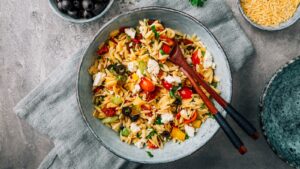
Orzo looks like rice, but it’s actually pasta.
Traditional orzo comes from wheat flour. That means it contains gluten unless you buy a gluten-free version.
Rice, meanwhile, comes from grains.
Simple difference. Big impact.
Because they look similar, people often compare them side by side in recipes, meal prep bowls, soups, and healthy dinner ideas.
Still, texture changes everything.
Orzo feels softer and creamier. Rice can feel fluffy, sticky, or chewy depending on the type.
Orzo vs Rice: Quick Nutrition Comparison
Here’s where things become interesting.
| Nutrition Factor | Orzo (1 Cup Cooked) | White Rice (1 Cup Cooked) |
| Calories | Around 200 | Around 205 |
| Protein | 7g | 4g |
| Carbs | 42g | 45g |
| Fiber | 2g | Less than 1g |
| Gluten | Yes | No |
| Texture | Creamier | More varied |
The numbers are surprisingly close.
Yet small differences matter.
Orzo usually contains more protein. Rice works better for gluten-free diets.
Brown rice changes the comparison even more because it contains additional fiber and minerals.
Pro-Tip: Whole wheat orzo usually keeps you fuller longer than plain white rice because it digests more slowly.
The Good, The Bad, & The Ugly
The Good About Orzo
Orzo cooks fast.
That matters when life gets busy.
It also absorbs sauces really well, which makes meals feel richer without needing huge amounts of ingredients.
I believe orzo works especially well in soups, creamy dishes, and Mediterranean-style meals.
The Good About Rice
Rice is one of the most flexible foods on earth.
Seriously.
You can pair it with vegetables, chicken, seafood, beans, curries, or stir-fry.
Brown rice also offers more nutrients than many people expect.
The Bad
People often overload both foods with heavy sauces.
That’s where healthy meals suddenly become calorie bombs.
I’ve seen “healthy rice bowls” loaded with sugary sauces and giant portions.
Same problem with creamy orzo dishes.
The Ugly
Instant flavored packets.
Many contain massive sodium levels.
Some barely taste like real food anymore.
That convenience comes with trade-offs.
Which One Is Better for Weight Loss?
This question comes up constantly.
Honestly, neither food magically causes weight gain.
Portion size matters more.
Meal balance matters more too.
Think of it this way. A moderate serving of rice with grilled chicken and vegetables can absolutely support weight loss. Meanwhile, giant bowls of buttery orzo can destroy calorie goals quickly.
The problem usually isn’t the carb itself.
It’s the extras.
Better Choices for Weight Loss
| Better Option | Why It Helps |
| Brown rice | Higher fiber |
| Whole wheat orzo | More filling |
| Smaller portions | Easier calorie control |
| Added vegetables | More meal volume |
Crash diets fail because people feel miserable.
Balanced meals last longer.
That’s why sustainable eating matters more than food fear.
For readers interested in balanced nutrition and healthy meal planning, Harvard Nutrition Source offers useful science-backed information about grains and healthy eating habits.
Texture and Cooking Differences
This part matters more than people think.
Texture changes how satisfying food feels.
Orzo Texture
Orzo feels soft and creamy.
That’s why restaurants often use it in rich dishes or soups.
It absorbs flavor quickly.
Rice Texture
Rice gives more variety.
Some rice feels fluffy. Some sticky. Some chewy.
Jasmine rice tastes different from brown rice. Wild rice feels completely different from both.
That variety gives rice a huge advantage in global cooking.
Expert Insight: In my experience, people stay satisfied longer when meals include texture contrast. Adding crunchy vegetables or protein to rice or orzo bowls improves fullness and enjoyment.
Who Should Choose Orzo?
Orzo works best for certain lifestyles.
Busy Families
It cooks quickly.
That matters during weeknight dinners.
Pasta Lovers
If you enjoy pasta but want smaller portions that still feel satisfying, orzo works well.
Mediterranean Food Fans
Orzo fits naturally into Greek and Italian-style meals.
It pairs especially well with lemon, herbs, spinach, and chicken.
Who Should Choose Rice?
Rice works for almost everyone.
Still, certain groups benefit more.
Gluten-Free Diets
Rice naturally avoids gluten.
That makes it safer for many people.
Athletes
Rice provides quick energy before or after workouts.
Budget-Conscious Families
Rice stretches further for less money.
That’s a major reason it remains a global staple food.
For healthy recipe inspiration using rice, grains, and balanced meal prep ideas, EatingWell shares practical dishes that feel realistic for everyday life.
Common Mistakes People Make
I’ve watched people ruin both foods with the same habits over and over.
Oversized Portions
Restaurant serving sizes distort expectations badly.
A normal serving often looks smaller than people expect.
Ignoring Protein
Rice or orzo alone usually won’t keep people satisfied for long.
Protein changes that.
Forgetting Vegetables
Vegetables increase fullness without adding huge calories.
That balance matters.
Assuming Brown Means Healthy
Brown rice and whole wheat orzo can help nutritionally. Still, giant portions can still become excessive.
Taste Comparison
Taste always matters.
People pretend nutrition is everything, but nobody sticks to meals they hate.
Orzo tastes mild and slightly buttery even without much seasoning.
Rice changes more depending on the variety.
Jasmine rice feels fragrant. Brown rice tastes nuttier. Wild rice has an earthy flavor.
I believe rice wins for versatility.
Still, creamy orzo dishes can feel more comforting during colder months.
Cost Comparison
| Factor | Orzo | Rice |
| Average Cost | Slightly higher | Usually cheaper |
| Meal Prep Use | Excellent | Excellent |
| Shelf Life | Long | Very long |
| Gluten-Free | No | Yes |
Rice usually wins for affordability.
Especially for large families.
The Secret Most People Ignore
The biggest difference between orzo vs rice isn’t actually nutrition.
It’s how people eat them.
Rice often appears in balanced meals with vegetables and protein.
Orzo often gets drowned in creamy sauces.
That changes everything.
Food context matters.
A moderate portion with healthy toppings usually works better than obsessing over tiny calorie differences.
Pro-Tip: If you want healthier rice or orzo meals, start by increasing vegetables and lean protein before cutting carbs completely.
Final Verdict
The debate around orzo vs rice doesn’t need to feel dramatic.
Both foods have strengths.
Rice feels flexible, affordable, and naturally gluten-free. Orzo brings slightly more protein and a softer pasta-like texture that many people enjoy.
In my experience, the healthiest option usually depends less on the ingredient and more on your overall eating habits.
Balanced meals matter.
Portion control matters.
Consistency matters too.
People who focus on realistic eating habits usually get better long-term results than people constantly chasing trendy food rules.
So maybe the real question isn’t whether orzo or rice is healthier.
Maybe the better question is this.
Which one actually helps you build meals you can enjoy consistently without feeling restricted?