
Ever made a protein shake that looked amazing on Instagram but tasted like chalk mixed with water?
You’re not alone.
A lot of people search for the perfect protein shake recipe because they want something quick, filling, and healthy. Then reality hits. The shake is too thick. Too watery. Too sweet. Or worse, it leaves them hungry an hour later.
I’ve seen people mess this up by focusing only on protein powder while ignoring everything else that makes a shake satisfying. That’s usually where the problem starts.
Here’s the thing. A great protein shake isn’t just about hitting protein goals. It’s about flavor, texture, nutrition, and making something you’ll actually want to drink again tomorrow.
If you’re interested in healthy eating habits, you’ll find plenty of useful nutrition guides on Healthy Food Logic that pair perfectly with high-protein meal planning.
Why Protein Shakes Became So Popular
People are busy.
Lunch gets skipped. Breakfast becomes coffee. Then hunger hits hard at 3 PM.
That’s one reason protein shakes exploded in popularity.
They’re convenient. They’re portable. And when made correctly, they can help support muscle recovery, weight management, and daily nutrition goals.
Think of it this way.
A candy bar may stop hunger for a short time. On the other hand, a balanced protein shake often keeps you satisfied much longer because it combines protein with healthy fats and fiber.
That’s a big difference.
Nutritional Benefits at a Glance
| Ingredient | Main Benefit | Potential Drawback |
|---|---|---|
| Whey Protein | Fast protein absorption | May not suit dairy-sensitive users |
| Banana | Natural sweetness | Adds extra carbs |
| Peanut Butter | Healthy fats | Higher calories |
| Greek Yogurt | Extra protein | Some dislike the tangy taste |
| Oats | Fiber and fullness | Can make shakes thicker |
The goal isn’t perfection.
It’s balance.
The Good, The Bad, & The Ugly
The Good
A quality protein shake recipe can save time and help you reach your nutrition goals.
Some benefits include:
- Quick preparation
- Easy portion control
- Convenient post-workout nutrition
- Portable meal replacement option
- Endless flavor combinations
I’ve personally found that protein shakes are one of the easiest ways to increase daily protein intake without cooking another meal.
The Bad
Not all shakes are equal.
Many store-bought shakes contain large amounts of added sugar.
Others cost far more than they’re worth.
And some homemade recipes turn into calorie bombs without people realizing it.
The Ugly
Marketing can be misleading.
I’ve seen products advertised as “healthy” that contain more sugar than a soft drink.
That’s why reading labels matters.
A lot.
Pro Tip
In my experience, frozen bananas improve texture more than almost any expensive supplement. They create a milkshake-like consistency without adding ice cream.
The Technical Breakdown (Without the Science Class)
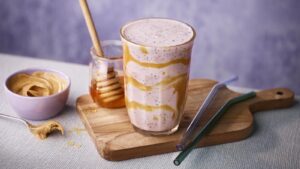
Let’s keep this simple.
Every good protein shake has four key parts.
1. Protein Source
This is the foundation.
Popular options include:
- Whey protein
- Casein protein
- Plant-based protein
- Greek yogurt
- Cottage cheese
Whey remains the most common because it mixes easily and provides complete protein.
2. Liquid Base
This determines thickness.
Common choices:
- Water
- Almond milk
- Dairy milk
- Oat milk
- Coconut milk
I usually recommend unsweetened milk alternatives if you’re trying to control sugar intake.
3. Healthy Fats
Many people skip this step.
Big mistake.
Healthy fats help create fullness.
Examples include:
- Peanut butter
- Almond butter
- Chia seeds
- Flaxseeds
- Avocado
4. Fiber Source
Fiber slows digestion and helps keep hunger away.
Good options include:
- Oats
- Berries
- Chia seeds
- Spinach
Think of these four categories as building blocks.
Once you understand them, creating your own shake becomes easy.
Easy Protein Shake Recipe
Ingredients
- 1 scoop vanilla whey protein
- 1 frozen banana
- 1 tablespoon peanut butter
- 1 cup unsweetened almond milk
- ¼ cup Greek yogurt
- Handful of ice cubes
Instructions
- Add almond milk to blender.
- Add protein powder.
- Add banana and peanut butter.
- Add yogurt.
- Blend until smooth.
- Serve immediately.
That’s it.
No fancy equipment needed.
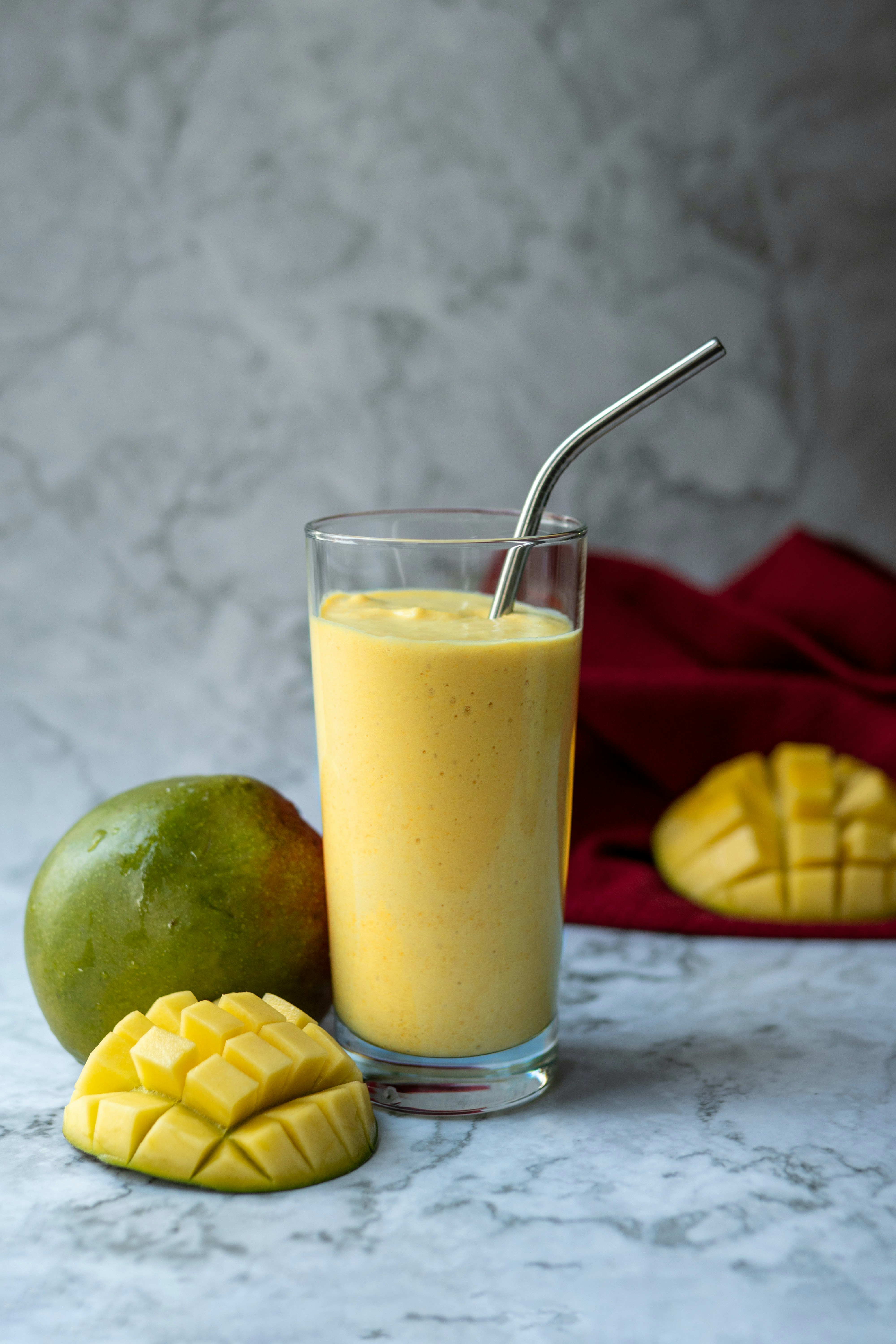
For readers looking to improve overall nutrition, resources like healthy breakfast ideas, weight-loss meal plans, and high-protein lunch recipes can provide useful inspiration alongside protein shakes.
Common Protein Shake Mistakes
Using Too Much Protein Powder
More isn’t always better.
Many people add two or three scoops because they think bigger equals healthier.
Usually it just makes the shake harder to drink.
Ignoring Calories
A shake can easily exceed 800 calories if you’re not paying attention.
Nut butters, honey, chocolate chips, and full-fat dairy add up quickly.
Skipping Whole Foods
Protein powder should support your diet.
Not replace real food completely.
Poor Ingredient Quality
Cheap protein powders often contain fillers that affect flavor and texture.
I’ve seen people quit protein shakes entirely because they started with low-quality products.Expert Insight
The best protein shake isn’t necessarily the highest-protein shake. The best one is the recipe you’ll consistently enjoy and actually drink.
Different Protein Shake Recipes for Different Goals
Weight Loss Protein Shake
Ingredients:
- Whey protein
- Almond milk
- Frozen berries
- Chia seeds
Lower calories.
Still filling.
Muscle Gain Protein Shake
Ingredients:
- Whey protein
- Banana
- Oats
- Peanut butter
- Whole milk
Higher calories support muscle-building goals.
Plant-Based Protein Shake
Ingredients:
- Pea protein
- Oat milk
- Frozen mango
- Spinach
Excellent option for dairy-free diets.
Breakfast Protein Shake
Ingredients:
- Protein powder
- Oats
- Banana
- Cinnamon
- Milk
This feels more like a complete meal.
Who Is This Protein Shake Recipe For?
Not every nutrition strategy works for everyone.
Protein shakes happen to fit many lifestyles.
Students
Quick preparation.
Affordable ingredients.
Minimal cleanup.
Fitness Enthusiasts
Helpful after workouts.
Supports muscle recovery.
Busy Professionals
Easy meal replacement during hectic schedules.
Parents
Can provide convenient nutrition on busy mornings.
Older Adults
Protein becomes increasingly important with age.
Shakes can help meet daily needs when appetite decreases.
Protein Shake Comparison Table
| Type | Protein Content | Calories | Best For |
|---|---|---|---|
| Weight Loss Shake | 20-25g | 200-300 | Fat loss |
| Muscle Gain Shake | 30-40g | 500-700 | Bulking |
| Plant-Based Shake | 20-30g | 250-400 | Dairy-free diets |
| Breakfast Shake | 25-35g | 350-500 | Morning meal replacement |
The right choice depends on your goals.
Not someone else’s.
Pro Tip
Blend spinach into fruit-based protein shakes. Most people won’t even notice it’s there, yet you’ll get extra nutrients without changing flavor much.
Trusted Resources for Better Nutrition
When researching nutrition, it’s important to rely on credible sources.
For protein recommendations and healthy eating guidance, the Harvard Nutrition Source offers valuable information:
https://nutritionsource.hsph.harvard.edu
You can also review protein intake recommendations from the Academy of Nutrition and Dietetics:
These resources provide evidence-based guidance rather than marketing claims.
Final Verdict: Is a Protein Shake Worth It?
Absolutely.
But only if you stop treating protein powder like magic.
The best protein shake recipe combines quality protein, healthy fats, fiber, and ingredients you genuinely enjoy. That’s what creates a drink that supports your goals while still tasting good.
I believe protein shakes remain popular because they solve a real problem. People need practical nutrition solutions that fit into busy schedules.
Still, no shake can replace good eating habits entirely.
Use them wisely.
Build them thoughtfully.
And focus on consistency rather than perfection.
So here’s a question worth thinking about:
Are you drinking protein shakes because they’re helping your health goals—or because clever marketing convinced you that you need them every single day?